Please Choose Your Language
Views: 0 Author: Site Editor Publish Time: 2026-01-07 Origin: Site
Have you ever wondered about the material transforming modern design? Sintered stone is rapidly gaining popularity in construction and interior design.
In this article, we'll explore what sintered stone is, its unique properties, and why leading brands like Hongye Furniture Group are embracing it. You'll learn about its advantages over traditional materials and its applications in luxury settings.
Sintered stone is a remarkable engineered material crafted from a blend of natural minerals. The key ingredients include:
● Quartz: Provides strength and durability.
● Silica: Enhances the material's resistance to heat.
● Feldspar: Adds resilience and stability.
● Clays: Contributes to the material's workability.
● Natural Pigments: Offers aesthetic variety and color options.
These components undergo a unique process that endows sintered stone with exceptional properties. It is non-porous, making it resistant to stains and bacteria, which is crucial for applications in kitchens and bathrooms. Additionally, its durability ensures it can withstand heavy use, making it an ideal choice for high-traffic areas.
The manufacturing of sintered stone involves a sophisticated process known as sintering. This technique mimics the natural formation of stone but accelerates it dramatically. Here’s how it works:
1. High Pressure and Temperature: The mineral mixture is subjected to immense pressure and heated to temperatures exceeding 1,200°C (2,192°F). This intense environment causes the particles to fuse together, forming a dense, solid structure.
2. Comparison with Natural Stone Formation: Unlike natural stones, which take thousands of years to form, sintered stone achieves its properties in just a few hours. This efficiency allows for more consistent quality and faster production times.
3. Advanced Manufacturing Techniques: Companies like Hongye Furniture Group utilize AI-driven smart production methods to enhance efficiency. Their state-of-the-art facilities enable precise control over the sintering process, ensuring high-quality outcomes.
Sintered stone stands out in the market due to its unique characteristics. Here’s how it compares to quartz and natural granite:
Feature | Sintered Stone | Quartz | Natural Granite |
Heat Resistance | Excellent | Limited | Excellent |
Porosity | Non-porous | Non-porous | Porous |
Durability | High (Mohs 6-8) | Moderate (Mohs 7) | High (Mohs 6-7) |
Maintenance Needs | No sealing required | No sealing required | Requires sealing |
The primary difference lies in how these materials are bonded. Sintered stone relies on molecular fusion, which means it does not require resin as a binder. This results in a 100% natural product, free from harmful chemicals or VOCs. In contrast, quartz countertops often use resin, which can affect their durability and environmental impact.
With its advanced properties and manufacturing techniques, sintered stone is becoming a preferred choice for architects and designers looking for innovative solutions in modern construction and interior design.
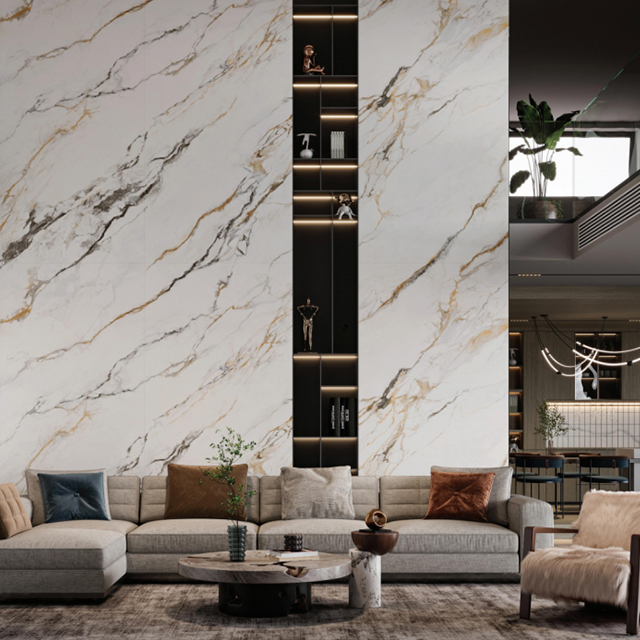
Sintered stone offers numerous benefits, making it a popular choice for both residential and commercial applications. Here are some of its key advantages:
● Heat Resistance: One of the standout features of sintered stone is its ability to withstand high temperatures. This means you can place hot pots and pans directly on its surface without worrying about damage. This property makes it perfect for kitchen countertops and restaurant environments.
● Durability: Sintered stone ranks between 6 to 8 on the Mohs scale, which measures hardness. This high rating indicates that it is extremely resistant to scratches and impacts. Whether it's in a busy kitchen or a high-traffic area, sintered stone maintains its appearance over time.
● Non-Porosity: Another significant advantage is its non-porous nature. This characteristic prevents bacteria and stains from penetrating the surface, making it a hygienic option for food preparation areas and bathrooms. Regular cleaning is easy, and there's no need for sealing, which saves time and effort.
● UV Resistance: Sintered stone is also UV-resistant, making it suitable for outdoor applications. It won't fade or discolor when exposed to sunlight, ensuring that patios, pool surrounds, and outdoor kitchens maintain their beauty for years.
● Eco-Friendliness: Made from natural materials, sintered stone aligns well with sustainable practices. It is often produced using processes that minimize environmental impact. Companies like Hongye Furniture Group emphasize eco-friendly practices and hold certifications such as ISO 14001:2015, showcasing their commitment to sustainability.
Benefit | Description |
Heat Resistance | Safe for direct contact with hot pots and pans |
Durability | High scratch resistance (Mohs 6-8) |
Non-Porosity | Hygienic and easy to maintain |
UV Resistance | Suitable for outdoor applications |
Eco-Friendliness | Made from natural materials, sustainable practices |
These benefits make sintered stone an excellent choice for various applications, from luxurious hotel designs to practical home renovations. Its combination of durability, style, and sustainability continues to attract designers and homeowners alike.
Sintered stone is incredibly versatile, making it suitable for a wide range of applications in both residential and commercial settings. Here’s a closer look at where it shines:
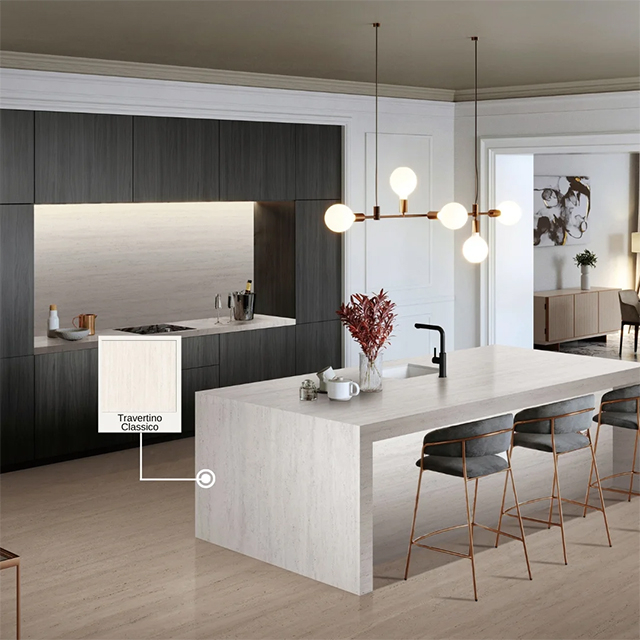
In kitchens and bathrooms, sintered stone is a top choice for countertops, backsplashes, and vanity tops. Its non-porous surface ensures that spills and stains are easily managed, which is crucial in food preparation areas. Additionally, the heat resistance makes it safe for placing hot pots directly on the surface without worry.
● Countertops: Available in various colors and finishes, sintered stone countertops can match any design aesthetic. They provide a sleek, modern look while being highly functional.
● Backsplashes: These surfaces not only protect walls from splashes but also add a stylish touch to the overall decor.
● Vanity Tops: In bathrooms, sintered stone vanity tops offer durability and elegance, resisting moisture and wear.
Sintered stone is ideal for flooring and wall applications. Large-format tiles create a seamless look, enhancing the visual appeal of any space.
● Large-Format Tiles: These tiles reduce grout lines, making cleaning easier and providing a more cohesive design. They are perfect for both residential and commercial environments, including hotels and offices.
● Seamless Cladding: The ability to cover large areas without interruptions makes sintered stone an excellent choice for feature walls.
Sintered stone is making waves in the furniture industry as well. Its strength and aesthetic versatility allow for innovative designs.
● Dining Tables: These tables benefit from the material’s scratch and heat resistance, making them perfect for everyday use.
● Coffee Tables: Sintered stone coffee tables can serve as stunning centerpieces in living rooms, combining functionality with style.
● Cabinet Door Panels: Using sintered stone for cabinet doors adds a modern touch while ensuring durability.
The outdoor applications of sintered stone are vast. Its UV resistance makes it suitable for various exterior uses.
● Patios: Sintered stone tiles can create beautiful outdoor patios that withstand the elements without fading.
● Pool Surrounds: They provide a safe, slip-resistant surface around pools, enhancing safety while maintaining style.
● Building Facades: The material is also used in building facades, offering both protection and aesthetic appeal.
Hongye Furniture Group has successfully integrated sintered stone into luxury hotel designs. For instance, their collaboration on high-end resorts showcases sintered stone in various applications, from elegant countertops in suites to stunning wall cladding in lobbies. These projects highlight the material's adaptability and visual impact, demonstrating why it is a preferred choice among architects and designers.
Application | Features | Benefits |
Kitchens | Countertops, backsplashes | Easy to clean, heat resistant |
Bathrooms | Vanity tops | Non-porous, moisture-resistant |
Furniture | Dining tables, coffee tables | Durable, stylish |
Outdoor Spaces | Patios, pool surrounds, building facades | UV resistant, weatherproof |
Sintered stone’s diverse applications make it a standout material in the modern design landscape, appealing to both homeowners and industry professionals alike.
When comparing sintered stone to quartz, it's essential to consider the unique attributes of each material. Both are popular choices for countertops and surfaces, but they offer different benefits that may influence your decision.
Feature | Sintered Stone | Quartz |
Durability | Highly durable, scratch-resistant | Durable, but can be scratched |
Heat Resistance | Excellent; can withstand high temps | Moderate; can be damaged by heat |
Non-Porosity | Completely non-porous | Non-porous, but may require sealing |
Aesthetic Variety | Wide range of colors and finishes | Available in many colors |
Sintered stone excels in heat resistance, making it an ideal choice for kitchen environments where hot pots and pans are common. In contrast, quartz, while durable, can be susceptible to heat damage if not properly cared for.
● Sintered Stone: Perfect for high-traffic areas, outdoor applications, and modern designs. Its non-porous nature makes it suitable for kitchens and bathrooms, where hygiene is a priority.
● Quartz: Often used in residential settings for countertops and backsplashes. Its aesthetic appeal and variety make it popular among homeowners looking for stylish options.
Comparing sintered stone to natural granite reveals significant differences in performance, particularly regarding heat resistance, porosity, and maintenance.
Feature | Sintered Stone | Natural Granite |
Heat Resistance | Excellent; withstands high temperatures | Good; can crack under extreme heat |
Porosity | Non-porous | Porous; requires sealing |
Maintenance | Low maintenance; no sealing needed | Requires regular sealing |
Sintered stone's non-porous surface offers a significant advantage over natural granite, which can absorb liquids and stains if not sealed properly. This makes sintered stone easier to maintain and more hygienic, particularly in kitchens and bathrooms.
Granite, while beautiful and natural, demands more maintenance to keep it looking its best. It's important to consider these factors when choosing between these materials for your project.
Both sintered stone and natural granite have their unique benefits, and your choice will ultimately depend on your specific needs and aesthetic preferences.
When selecting sintered stone for your project, several key factors come into play. Understanding these can help you make an informed decision that meets both aesthetic and functional needs.
1. Aesthetics: Sintered stone is available in a wide range of colors, patterns, and finishes. Whether you’re aiming for a sleek modern look or a more traditional style, there’s a design to suit your vision. Consider how the chosen color and finish will complement other elements in your space.
2. Application: Think about where the sintered stone will be used. Different applications, such as countertops, flooring, or wall cladding, may require specific thicknesses or finishes. Ensure the material meets the demands of its intended use, especially in high-traffic or wet areas.
3. Budget: Determine your budget early in the selection process. While sintered stone offers excellent value for its durability and aesthetic appeal, prices can vary based on customization options and order size.
Sintered stone offers impressive customization possibilities. You can choose from various sizes, finishes, and thicknesses to match your project's requirements. For example, larger format tiles can create a seamless look, while different finishes can enhance texture and visual interest.
Hongye Furniture Group provides flexible support for customization, ensuring that your specific project needs are met. Whether you're working on a hotel renovation or a residential design, they can tailor solutions to fit your vision perfectly.
When planning your purchase, it's essential to understand the minimum order quantities and lead times associated with sintered stone products.
Typically, the minimum order quantity for sintered stone may vary depending on the specific product and supplier. It’s important to check with your supplier to ensure your order meets their requirements. This ensures a smooth procurement process and helps avoid delays.
For Hongye's sintered stone products, lead times generally range from 15 to 30 days, depending on the size of your order. Smaller orders may be fulfilled more quickly, while larger projects might require additional time for production and shipping. Planning ahead will help ensure that your materials arrive when needed, keeping your project on schedule.
Factor | Details |
Aesthetics | Wide range of colors and finishes |
Application | Suitable for countertops, flooring, walls |
Budget | Varies based on customization and size |
Minimum Order Quantity | Check with the supplier for specifics |
Lead Time | 15-30 days, depending on order size |
By considering these factors and understanding the purchasing process, you can confidently choose sintered stone for your project, ensuring it meets both your design goals and practical needs.
Choosing sintered stone for your next project offers numerous benefits. Its durability, heat resistance, and non-porous nature make it ideal for various applications. From kitchens to outdoor spaces, sintered stone enhances both aesthetics and functionality.
Consider integrating sintered stone into your design decisions. Brands like Hongye are known for their quality and compliance with luxury hotel standards. Trust in their expertise to elevate your project.
A: Sintered stone is competitively priced, offering great value for its durability and aesthetic appeal.
A: Yes, sintered stone is UV resistant and ideal for outdoor applications like patios and pool surrounds.
A: It is highly durable and scratch-resistant, making it perfect for high-traffic spaces.
A: Sintered stone offers extensive customization options, minimizing design limitations.
A: Warranty options vary by supplier, but many offer comprehensive coverage.
A: Hongye maintains strict quality control and compliance with luxury hotel standards.