Please Choose Your Language
Views: 0 Author: Site Editor Publish Time: 2026-01-07 Origin: Site
Are you aware that the right carpet can transform a hotel’s atmosphere? Hospitality carpets play a crucial role in creating inviting spaces.
In this guide, we’ll explore what hospitality carpets are and their significance in the industry.
You’ll learn about their benefits, including aesthetic appeal, durability, and comfort, enhancing the overall guest experience.
When it comes to hospitality carpets, durability is paramount. High-traffic areas like hotel lobbies and corridors require materials that can withstand wear and tear. Two popular choices are nylon and wool. Nylon is known for its strength and stain resistance, making it ideal for busy environments. Wool, while luxurious, offers natural resilience and flame resistance, contributing to safety and comfort.
To ensure longevity, regular maintenance is essential. Here are some helpful tips:
● Regular Vacuuming: This prevents dirt accumulation and maintains the carpet's appearance.
● Spot Cleaning: Address spills immediately to prevent stains from setting in.
● Professional Cleaning: Schedule deep cleanings annually to refresh the fibers.
Hospitality carpets significantly enhance the overall design of hotel interiors. They create a cohesive look that ties together various design elements, from furniture to wall colors. Customization options allow hotels to choose patterns and colors that reflect their brand identity. For instance, HONGYE offers bespoke carpet solutions tailored to luxury hotels, ensuring each carpet complements the unique ambiance of the space.
Benefits of Customized Carpets:
● Unique designs that resonate with the hotel’s theme.
● A wide range of textures and colors to choose from.
● Enhanced brand recognition through distinctive patterns.
Carpets do more than just beautify a space; they also contribute to guest comfort. One of the key benefits of hospitality carpets is their ability to reduce noise. In bustling environments, carpets absorb sound, creating a more serene atmosphere for guests. The texture of the carpet plays a crucial role in comfort. Softer fibers provide a cushioned feel underfoot, enhancing the overall experience.
Key Points on Comfort:
● Carpets help muffle sounds from footsteps, luggage, and conversations.
● They create a warm and inviting environment, essential for guest satisfaction.
● The right carpet can make a significant difference in a guest’s perception of luxury.
In conclusion, hospitality carpets are a vital component in creating a welcoming and functional environment. They combine durability, aesthetic appeal, and comfort, making them an essential choice for any hotel looking to enhance its guest experience.
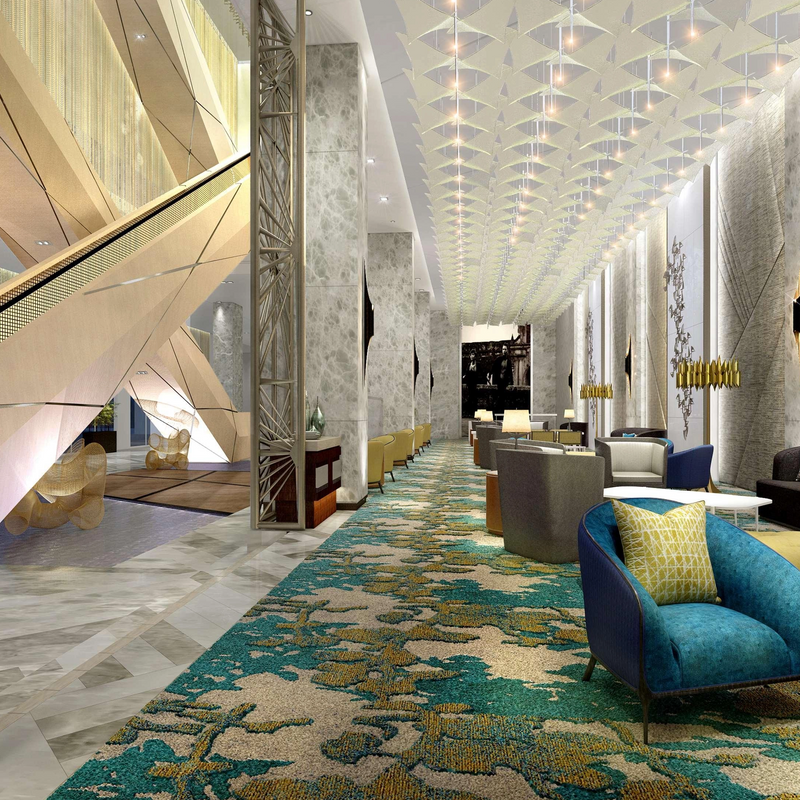
Wool carpets are often regarded as the gold standard in luxury flooring. They offer a unique blend of durability and aesthetic appeal. One significant advantage is their natural resilience, which allows them to withstand heavy foot traffic while maintaining their beauty. However, they come with a higher price tag and require more maintenance compared to synthetic options.
Best Applications:
● Ideal for upscale hotel suites and lobbies.
● Perfect for areas where comfort and luxury are priorities.
Nylon carpets are a popular choice for high-traffic areas due to their exceptional strength and stain resistance. These carpets can handle the hustle and bustle of busy hotels, making them a practical option. HONGYE utilizes high-quality nylon in their hospitality carpets, ensuring durability and longevity in demanding environments.
Characteristics and Benefits:
● Superior color retention and fade resistance.
● Easy to clean and maintain, making them suitable for restaurants and corridors.
The 80/20 blend combines 80% wool and 20% nylon, striking a balance between luxury and durability. This combination allows hotels to enjoy the soft, luxurious feel of wool while benefiting from the strength of nylon. It’s a popular choice among hotels looking for a cost-effective yet high-quality flooring solution.
Why They Are Popular:
● Provides a luxurious appearance at a lower cost than pure wool.
● Versatile enough for various hotel settings, from guest rooms to dining areas.
Olefin carpets are known for their resistance to moisture and stains, making them ideal for areas prone to spills. They are often used in outdoor-adjacent spaces or basements due to their durability and fade resistance. This type of carpet is a budget-friendly option that doesn’t compromise on quality.
Best Uses and Unique Properties:
● Suitable for poolside areas and outdoor spaces.
● Resistant to mildew, making it a smart choice for humid environments.
Carpet tiles provide a modular design that allows for easy replacement and customization. They are perfect for hotels looking to maintain a fresh appearance without the hassle of full carpet replacement. HONGYE offers a range of carpet tiles designed for commercial settings, making them an excellent choice for busy hotels.
Advantages of Modular Design:
● Easy to install and replace individual tiles.
● Allows for creative patterns and designs, enhancing the visual appeal of the space.
Type of Carpet | Advantages | Best Applications |
Wool | Luxurious, durable | Upscale suites, lobbies |
Nylon | Stain-resistant, strong | High-traffic areas, corridors |
80/20 Blends | Cost-effective, soft | Guest rooms, dining areas |
Olefin | Moisture-resistant, budget-friendly | Outdoor spaces, pool areas |
Carpet Tiles | Modular, customizable | Busy hotels, creative designs |
Each type of hospitality carpet serves a unique purpose, catering to different needs in the hotel industry. By understanding the various options available, hotels can make informed decisions that enhance their guests' experiences.
Axminster carpets are known for their intricate patterns and high-quality construction. They are woven on a specialized loom, allowing for detailed designs that can enhance the aesthetic of any hotel space. These carpets are particularly ideal for luxury hotel lobbies, where first impressions matter. HONGYE’s Axminster carpets are frequently used in upscale environments, showcasing stunning designs that contribute to a sophisticated atmosphere.
Ideal Uses:
● High-end hotel lobbies and ballrooms.
● Areas where visual impact and durability are essential.
Wilton carpets are characterized by their dense pile and luxurious feel. They are made using a weaving technique that results in a thick, durable fabric. These carpets are suitable for various environments, including guest rooms and conference areas, where comfort and style are equally important. Their ability to hold color well makes them a popular choice for hotels looking to maintain a vibrant appearance over time.
Characteristics:
● Thick pile for added comfort.
● Excellent durability for high-traffic areas.
Tufted carpets offer a cost-effective solution for hotels seeking quality and affordability. They are made by punching yarn through a backing material, creating a plush surface. This type of carpet is often used in guest rooms, where comfort is a priority. Tufted carpets can be produced in various patterns and colors, allowing hotels to customize their look without breaking the bank.
Applications:
● Guest rooms and suites.
● Areas requiring a soft feel underfoot.
Understanding the differences between carpet construction types can help hotels make informed choices. Here’s a quick comparison of the main types:
Carpet Type | Pros | Cons | Best Applications |
Axminster | Intricate designs, high durability | Higher cost | Luxury lobbies, ballrooms |
Wilton | Thick, comfortable, color retention | Can be expensive | Guest rooms, conference spaces |
Tufted | Cost-effective, customizable | Less durable than woven carpets | Guest rooms, casual areas |
Each construction type brings its own benefits and drawbacks, making it essential for hotel managers to consider their specific needs. By evaluating these options, they can select the most suitable carpets for their spaces, enhancing both functionality and aesthetics in hospitality settings.
Fire safety is a critical concern in the hospitality industry. One of the key standards to consider is ASTM E648, which measures the critical radiant flux of floor coverings. This standard helps determine how well a carpet will resist fire and how quickly it will burn. Compliance with ASTM E648 ensures that carpets meet safety regulations, protecting guests and staff alike. HONGYE proudly adheres to these international standards, providing carpets that prioritize safety without sacrificing style.
Importance of ASTM E648:
● Ensures carpets are fire-resistant.
● Protects lives and property in case of emergencies.
● Enhances a hotel's reputation for safety.
Indoor air quality is another vital aspect of hospitality carpets. The Green Label Plus certification is an important standard that indicates low emissions of volatile organic compounds (VOCs). This certification ensures that carpets contribute to healthier indoor environments, which is especially important in hotels where guests spend significant time. HONGYE carpets are often Green Label Plus certified, reflecting their commitment to sustainability and guest well-being.
Benefits of Green Label Plus Certification:
● Reduces harmful air pollutants.
● Enhances guest comfort and health.
● Supports environmentally friendly practices.
Understanding durability ratings is essential for hotels selecting carpets. These ratings help determine how well a carpet will perform under various traffic levels. The three main categories are:
● Moderate Traffic: Ideal for areas like guest rooms, where foot traffic is less intense.
● Heavy Traffic: Suitable for spaces such as corridors and dining areas that experience more activity.
● Extra Heavy Traffic: Designed for high-traffic zones like lobbies and entrances, where durability is crucial.
Traffic Level | Description | Best Applications |
Moderate | Suitable for low-traffic areas | Guest rooms, private lounges |
Heavy | Designed for medium foot traffic | Dining rooms, meeting spaces |
Extra Heavy | Built for maximum durability | Hotel lobbies, busy entrances |
By understanding these ratings, hotel managers can make informed choices about the best carpets for their specific needs. Choosing the right carpet based on these standards not only enhances safety but also contributes to a more pleasant and sustainable environment for guests.
When selecting hospitality carpets, the choice of patterns and colors is essential. Patterns can play a crucial role in concealing dirt and wear, making them a practical choice for high-traffic areas. For instance, busy designs with varied colors can help mask stains and scuffs, keeping the carpet looking fresh longer. HONGYE offers a range of custom designs tailored to enhance hotel branding, ensuring that each carpet not only serves a functional purpose but also aligns with the hotel’s aesthetic.
Tips for Selecting Patterns:
● Opt for multi-colored or textured patterns to hide dirt effectively.
● Choose darker colors for high-traffic areas to minimize the appearance of wear.
● Consider branding elements that reflect the hotel's identity in the carpet design.
Noise reduction is a significant concern in hospitality environments, where guest comfort is paramount. High-density carpets are particularly effective in reducing noise levels, providing a quieter atmosphere for guests. These carpets absorb sound, preventing echoes and minimizing disturbances from foot traffic and conversations. Investing in acoustically effective carpets can enhance the overall guest experience, making it more enjoyable and relaxing.
Benefits of High-Density Carpets:
● They significantly reduce noise pollution in busy areas.
● Enhance privacy by muffling sounds between rooms and common spaces.
● Create a more serene environment, which is crucial for guest satisfaction.
The method of carpet installation can greatly impact its performance and longevity. Two common installation methods are stretch-in and glue-down, each offering unique benefits.
● Stretch-In Method: This technique involves stretching the carpet over a pad, allowing for easy removal and replacement. It’s ideal for areas where carpet maintenance is frequent, such as guest rooms.
● Glue-Down Method: In this approach, the carpet is glued directly to the subfloor, providing a more permanent solution. This method is often preferred for high-traffic areas, as it minimizes movement and potential wear.
Installation Method | Pros | Cons | Best Applications |
Stretch-In | Easy to replace, comfortable feel | May shift in high-traffic areas | Guest rooms, lounges |
Glue-Down | Secure fit, durable | Difficult to remove | Lobbies, dining areas |
By carefully considering these design aspects, hotels can create spaces that are not only visually appealing but also functional and comfortable for guests. Selecting the right carpet based on pattern, acoustics, and installation method ensures a lasting investment in the hospitality experience.
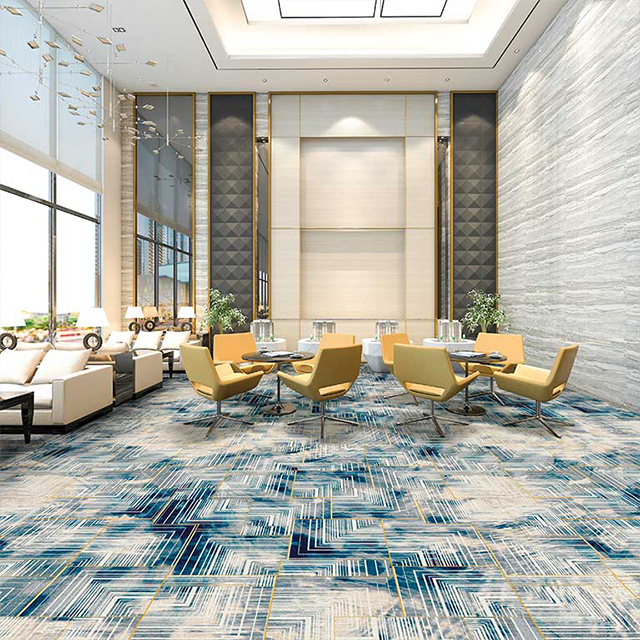
Creating a distinctive look is crucial for hotels aiming to stand out in a competitive market. Custom carpets provide a powerful way to reflect a hotel’s brand identity. By incorporating unique patterns, colors, and logos, hotels can enhance their visual appeal and create memorable experiences for guests. HONGYE specializes in custom design services, offering tailored solutions that align with each hotel’s branding strategy. This allows properties to express their unique character through their flooring choices.
Benefits of Custom Designs:
● Enhanced Brand Identity: Custom carpets can feature logos and brand colors, reinforcing recognition.
● Unique Aesthetic Appeal: Tailored designs create a distinctive atmosphere, making a strong first impression.
● Functional Design Elements: Customization can include features like stain resistance and durability for high-traffic areas.
Collaborating with carpet suppliers is essential for successful custom projects. Here’s a step-by-step guide to ensure a smooth partnership:
1. Identify Your Needs: Determine the specific requirements for your carpet, including design, material, and durability.
2. Research Suppliers: Look for manufacturers like HONGYE that specialize in hospitality carpets and have a strong portfolio of custom designs.
3. Request Samples: Obtain samples to evaluate the quality and aesthetic of the carpets before making a decision.
4. Discuss Designs: Work closely with the manufacturer to finalize the design, ensuring it aligns with your vision and brand identity.
5. Set a Timeline: Establish a clear timeline for production and installation to meet your project deadlines.
Steps to Collaborate | Description |
Identify Your Needs | Define design, material, and durability needs. |
Research Suppliers | Find reputable manufacturers with experience. |
Request Samples | Evaluate quality and aesthetics through samples. |
Discuss Designs | Finalize designs that reflect your brand. |
Set a Timeline | Create a schedule for production and installation. |
By following these steps, hotels can effectively collaborate with manufacturers to create custom carpets that not only enhance their spaces but also resonate with their guests. Customization options allow for a unique blend of functionality and style, making hospitality carpets an integral part of the overall guest experience.
Hospitality carpets play a vital role in enhancing the guest experience. They offer aesthetic appeal, durability, and safety. Key considerations include design, customization, and compliance with industry standards.
Hotels can create unique environments that reflect their brand identity.
Explore the various options for hospitality carpets to elevate your establishment's ambiance and functionality. Choose wisely to ensure comfort and style for every guest.
A: The best materials include nylon for durability, wool for luxury, and polyester for affordability.
A: Hospitality carpets should typically be replaced every 5 to 10 years, depending on traffic and maintenance.
A: Yes, high-density carpets can significantly reduce noise, enhancing guest comfort.
A: Maintenance costs vary, but regular cleaning and occasional deep cleaning can help prolong carpet life and reduce overall expenses.