Please Choose Your Language
Views: 0 Author: Site Editor Publish Time: 2026-03-10 Origin: Site
Luxury travelers notice design quickly. Hotels near Milan Fashion Week reveal new ideas. Why does Hotel Furniture shape the guest experience? In this article, we explore Hotel Furniture trends seen at Four Seasons Milano and how they influence modern hospitality design.
Four Seasons Hotel Milano stands inside a building that once served as a 15th-century convent. Its long history shapes the atmosphere of the property. Visitors walk through cloisters, stone corridors, and quiet courtyards before entering modern guest rooms. This architectural heritage influences how Hotel Furniture is selected and arranged. Designers avoid furniture that feels overly modern or industrial. Instead, they choose pieces that respect the building’s historical character while still delivering modern comfort.
Key historical design influences include:
● Architectural preservation
The cloister layout and courtyard gardens guide room layouts and furniture placement. Designers often position seating near windows or garden views. This approach highlights the building’s original spatial rhythm.
● Classic Italian design proportions
Furniture uses balanced dimensions and symmetrical forms. It prevents visual clutter. Rooms appear calm and refined instead of crowded.
● Material continuity
Natural materials such as wood, marble, and leather connect modern interiors with the historic architecture. They also improve durability in luxury hospitality environments.
Because of these architectural roots, the Hotel Furniture inside Four Seasons Milano does more than fill a room. It helps the building tell its story.
The renovation introduced a design philosophy that blends heritage and contemporary luxury. Pierre-Yves Rochon approached the project carefully. He preserved historic elements while modernizing the guest experience. This strategy influenced the choice of materials, furniture layout, and interior finishes.
Rather than creating dramatic contrasts, the renovation focuses on subtle harmony. Colors inspired by frescoes extend from corridors into guest rooms. Furniture proportions follow the architecture of the building. As a result, every piece feels intentionally placed.
Luxury hotels often lead design movements. They host international guests, fashion designers, and global media. When events such as Milan Fashion Week take place, properties like Four Seasons Milano become creative stages. Visitors from different countries experience the interiors. Designers study those spaces. New ideas spread quickly across the hospitality industry.
Fashion and hospitality share a similar design language. Both industries value craftsmanship, storytelling, and visual identity. When fashion brands present new collections, hotels around them reflect similar aesthetics through Hotel Furniture and interior styling.
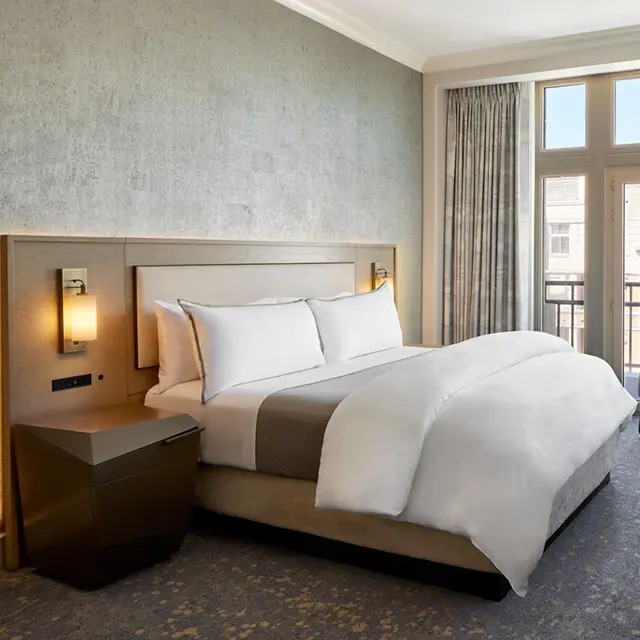
Luxury hospitality increasingly relies on bespoke Hotel Furniture. Designers avoid generic pieces. They prefer furniture created specifically for a property’s architecture and identity. In hotels like Four Seasons Milano, custom furniture connects interior design, heritage, and guest comfort. It feels intentional. Guests notice details quickly. They sense craftsmanship rather than mass production.
Custom furniture also supports a hotel’s brand image. When visitors enter a room, they see furniture that fits the space perfectly. Built-in shelving follows the wall lines. Tables align with lighting and seating areas. Nothing appears randomly placed. That careful design improves both aesthetics and usability.
Important characteristics of bespoke hotel furniture include:
● Built-in architectural furniture
Bookshelves often integrate directly into walls. They create a seamless look. The room feels organized and spacious. Designers use wood finishes that match doors or flooring, so every element blends naturally.
● Handcrafted detailing
Brass trims, carved panels, or stitched leather edges show craftsmanship. These details are subtle. Yet they communicate luxury clearly. Guests may not analyze them. Still, they feel the difference immediately.
● Material coordination
Custom cabinetry, desks, and wardrobes share the same material palette. Wood tones, hardware finishes, and upholstery colors remain consistent. This creates visual harmony throughout the suite.
Modern luxury hotels no longer design rooms like traditional hotel boxes. Instead, they create residential-style interiors. Guests expect comfort similar to a private apartment. Four Seasons Milano demonstrates this concept clearly. Rooms contain several functional zones. Each zone uses specific furniture to define its purpose.
The idea is simple. When people travel frequently, they want a space that feels familiar. Furniture layout helps achieve this feeling. Sofas face natural light. Writing desks sit near windows. Reading chairs occupy quiet corners. These small details transform a hotel room into a comfortable living environment.
Common residential-style furniture zones include:
● Entrance transition area
A small console table or bench welcomes guests. It provides space for bags or keys. The entry zone separates the corridor from the living area, making the room feel larger.
● Living and relaxation area
Sofas, lounge chairs, and coffee tables create a small living room. Guests can relax, read, or host conversations. The furniture encourages social interaction rather than simple sleeping.
● Dressing and wardrobe zone
Walk-in closets or dressing areas improve organization. Full-height wardrobes and mirrors support longer stays. Travelers unpack easily and feel more at home.
Luxury hotel interiors rely heavily on natural materials. These materials communicate authenticity and durability. Guests often associate them with high quality. In Italian hospitality design, materials also reflect centuries of artisanal tradition.
Several materials appear repeatedly in modern hotel furniture projects. Each one contributes a unique tactile quality. When combined carefully, they create a balanced environment that feels both elegant and comfortable.
Key materials shaping luxury hotel furniture include:
● Rosewood and natural hardwoods
Wood introduces warmth into interiors. Designers use it for cabinetry, shelving, and desks. Fine wood grain patterns add visual depth while maintaining a calm atmosphere.
● Marble surfaces
Marble appears in bathrooms, tabletops, and decorative panels. It communicates permanence and prestige. Guests often associate marble with historic European architecture.
● Velvet and leather upholstery
Soft fabrics improve comfort and acoustic quality. Velvet chairs absorb sound and create a quiet environment. Leather surfaces add durability and sophistication.
● Brass accents
Small metal details elevate furniture design. Brass handles, trims, or table bases reflect light subtly. They create contrast against wood or fabric textures.
Material | Typical Furniture Application | Design Impact |
Rosewood | Cabinets, bookshelves | Warm, refined aesthetic |
Marble | Tabletops, bathroom counters | Luxury and durability |
Velvet | Lounge chairs, sofas | Soft texture and comfort |
Leather | Headboards, seating | Premium hospitality feel |
Brass | Hardware, table trims | Elegant visual contrast |
Color plays a subtle yet powerful role in Hotel Furniture design. In Milan’s luxury interiors, palettes rarely feel loud or aggressive. Designers prefer calm tones inspired by architecture, art, and landscape. These colors create a relaxing environment while still expressing sophistication.
Many palettes originate from historic frescoes and architectural surfaces. Designers reinterpret those tones in upholstery, wall panels, and furniture finishes. The result feels contemporary yet connected to heritage.
Common color inspirations in Italian hotel interiors include:
● Terracotta and warm earth tones
Inspired by historic buildings and clay materials. These colors feel warm and grounded. They pair well with natural wood furniture.
● Soft sky blues and grey blues
Calm colors that reflect the open sky and Italian coastal landscapes. They often appear in textiles, carpets, or upholstered seating.
● Muted greens inspired by gardens
Courtyard gardens influence many interiors. Gentle green tones appear in chairs, fabrics, and decorative accents.
● Neutral stone palettes
Light beige, ivory, and pale grey connect furniture with marble surfaces and architectural stone.
Color Palette | Inspiration Source | Furniture Application |
Terracotta | Historic frescoes | Upholstered seating |
Grey-blue | Architectural tones | Wall panels and fabrics |
Garden green | Courtyard landscapes | Dining chairs and textiles |
Neutral stone | Marble and limestone | Cabinets and tables |
Color harmony ensures furniture integrates smoothly into the architecture. Designers avoid strong contrasts. Instead, they create layered tones that guide the eye naturally through the space.
Comfort remains one of the most important goals in modern Hotel Furniture design. Guests often arrive after long flights, busy meetings, or fashion events. They want a room that feels calm and supportive. Designers therefore focus on ergonomics, furniture proportions, and room flow. When furniture works naturally, guests relax faster and stay longer.
Key comfort-driven furniture strategies include:
● Ergonomic lounge seating
Chairs often use curved backs and supportive cushioning. Guests sit comfortably for reading or conversation. Designers frequently position these chairs near windows to use natural light.
● Balanced furniture proportions
Tables, beds, and cabinets must match the room scale. Oversized furniture reduces space. Small furniture feels impractical. Balanced proportions maintain visual harmony and functionality.
● Clear movement paths
Designers plan furniture placement carefully. Guests walk easily between entry, bed, desk, and seating areas. Smooth circulation improves the entire room experience.
Modern travelers expect flexibility. They may work remotely, host meetings, or enjoy private dining inside their room. Because of this shift, hotels increasingly rely on multi-functional Hotel Furniture. Each furniture piece serves more than one purpose.
Designers now treat guest rooms like small apartments. A sofa can become a meeting area. A writing desk may also serve as a dining table. Storage units hide luggage and clothing. This flexible approach allows guests to personalize the space.
Important multi-functional furniture solutions include:
● Integrated lounge seating areas
Sofas and lounge chairs create small living zones. Guests relax, read, or watch television. The seating arrangement encourages conversation and comfort.
● Work and dining combination tables
Desks now support multiple activities. Travelers use them for laptops during the day. In the evening they may order room service and dine comfortably.
● Flexible wardrobe and storage systems
Modular wardrobes help organize luggage and clothing. Open shelves provide easy access to daily items. These features improve comfort during longer stays.
Technology now plays a major role in guest comfort. However, luxury hospitality avoids obvious technology displays. Designers prefer discreet integration. Technology supports the experience quietly while furniture maintains a refined appearance.
Lighting systems often illustrate this design philosophy. Soft LED lighting appears behind headboards or inside shelving. It provides gentle illumination rather than strong glare. Guests control lighting easily, yet the technology remains visually hidden.
Smart furniture design often includes:
● Integrated lighting elements
LED lighting embedded in headboards or shelves creates warm ambient illumination. It improves nighttime comfort while maintaining elegant aesthetics.
● Hidden charging systems
USB ports and wireless charging pads hide inside bedside tables. Devices charge quickly without visible cables.
● Smart environmental controls
Digital panels connect furniture with lighting and climate systems. Guests adjust the environment easily while maintaining a calm interior design.
Smart Technology Feature | Furniture Integration | Guest Experience Benefit |
LED ambient lighting | Installed in headboards or shelving | Creates relaxing nighttime atmosphere |
Wireless charging | Hidden inside bedside tables | Convenient device charging |
USB and power ports | Integrated into desks or side tables | Easy access for electronics |
Smart room controls | Embedded in cabinetry panels | Simple lighting and climate adjustment |
Luxury hospitality projects often begin with design inspiration. Designers study architecture, fashion, art, and historical interiors. They imagine how a guest room should feel. However, those creative concepts must eventually become practical Hotel Furniture. Manufacturers play a critical role in turning visual ideas into durable furniture pieces suitable for daily hotel operations.
Translating design inspiration into real furniture requires several technical steps. Designers may propose unique shapes, materials, or finishes. Manufacturers then evaluate structure, durability, and production feasibility. The goal is to preserve the designer’s vision while ensuring long-term performance in hospitality environments.

Key steps in transforming design concepts into hotel furniture include:
● Design interpretation and engineering
Manufacturers analyze design drawings carefully. They adjust dimensions, materials, or joinery methods so the furniture can withstand heavy hotel use. Structural reinforcements often remain invisible but improve durability.
● Material selection and finish development
Luxury hotels often specify marble, leather, velvet, or hardwood surfaces. Production teams test finishes, textures, and coatings. They ensure surfaces resist wear, moisture, and frequent cleaning.
● Customization and flexible manufacturing
Hotel projects rarely use identical room layouts. Furniture must adapt to different floor plans and architectural constraints. Flexible manufacturing allows small variations while maintaining consistent style.
Production Stage | Key Activity | Purpose |
Design engineering | Adjust drawings and structural details | Ensure durability and feasibility |
Material development | Select wood, metals, fabrics, finishes | Maintain luxury appearance |
Prototype creation | Produce sample furniture pieces | Test design accuracy |
Production manufacturing | Scale furniture production | Support large hotel projects |
Luxury hotels rarely purchase furniture from many small suppliers. Instead, they prefer experienced hospitality manufacturers capable of delivering full project support. Global Hotel Furniture manufacturers provide production capacity, engineering expertise, and logistical coordination.
Large hotel projects often involve hundreds of rooms and multiple public areas. Furniture must remain visually consistent throughout the property. Manufacturers therefore follow strict quality control processes. Each piece must match the approved design, materials, and finish standards.
Major responsibilities of hospitality furniture manufacturers include:
● Supporting renovation projects
Many luxury hotels update interiors every few years. Manufacturers must recreate furniture styles that match architectural heritage while integrating modern materials and technology.
● Handling large-scale hospitality developments
New hotels require furniture for guest rooms, suites, restaurants, lounges, and meeting areas. Production facilities must manage thousands of furniture pieces simultaneously.
● Maintaining consistent quality standards
Every chair, desk, or cabinet must meet the same finish and structural requirements. Quality inspection ensures visual uniformity across the entire property.
Hospitality furniture suppliers also coordinate shipping schedules, installation planning, and project timelines. Their experience helps hotel developers manage complex interior construction phases more efficiently.
Hospitality manufacturers continually observe design trends emerging from luxury hotels. Interior projects such as Four Seasons Milano influence furniture development across the industry. Companies must respond quickly while maintaining production efficiency.
Hongye Furniture Group, for example, focuses on delivering integrated Hotel Furniture solutions for global hospitality projects. Their approach combines craftsmanship, modern manufacturing systems, and flexible customization. This allows designers and developers to translate luxury concepts into practical interior environments.
Important capabilities supporting modern hospitality furniture projects include:
● One-stop project solutions
Hospitality clients often prefer a single partner managing furniture design coordination, manufacturing, and delivery. Integrated solutions simplify procurement and ensure consistent style throughout the property.
● Large-scale intelligent manufacturing
Large production facilities support hotel developments involving hundreds of guest rooms. Advanced equipment improves precision, while skilled craftsmen maintain fine details in woodwork and upholstery.
● Design flexibility and customization
Hotel interiors frequently require bespoke wardrobes, desks, and cabinetry. Manufacturers adapt dimensions, materials, and finishes while preserving the designer’s aesthetic concept.
Luxury hotels reveal key hotel furniture trends. Bespoke design, natural materials, and smart comfort lead modern interiors. HONGYE delivers custom hotel furniture solutions, combining craftsmanship, flexible manufacturing, and reliable production to support refined hospitality spaces.
A: Hotel Furniture includes beds, sofas, desks, and cabinets designed for comfort, durability, and style.
A: Custom Hotel Furniture improves brand identity, fits unique room layouts, and enhances guest experience.
A: Hotel Furniture supports relaxation, work, and storage through ergonomic design and smart layouts.
A: Hotel Furniture often uses wood, marble, leather, and brass for durability and elegance.
A: Manufacturers produce custom Hotel Furniture, ensuring consistent quality for large hotel developments.