Please Choose Your Language
Views: 0 Author: Site Editor Publish Time: 2026-03-10 Origin: Site
Looking for durable, stylish seating for hotels? Dining Room Table and Chairs transform restaurants and banquet areas. In this article, you’ll learn how to choose furniture that balances comfort, design, and long-term performance.
When you step into a busy hotel restaurant or a banquet hall, furniture faces constant challenges. Commercial-grade dining room tables and chairs are built to last, unlike residential pieces designed for light use. They feature reinforced frames, heavy-duty joints, and robust support that handle frequent movement and heavy loads. This construction ensures that tables and chairs remain stable even under continuous use, preventing wobbling or collapse during peak hours. Guests notice the difference—it feels sturdy, safe, and reliable. Hotels benefit too, because durability reduces replacement frequency and maintenance costs.
Key features include:
● Heavy-gauge steel frames or reinforced wood legs for stability.
● Impact-resistant corners to prevent damage from collisions.
● High static weight capacity, often rated 500+ pounds.
● Surfaces engineered to resist scratches, stains, and heat.
Material choice is essential for durability, style, and cleaning ease. Hotels often mix options depending on zone usage—dining rooms, patios, or banquet halls. Each material has distinct advantages and limitations, which influence both comfort and operational efficiency.
Material | Pros | Cons | Best Use |
Solid Wood | Elegant, durable, long-lasting | Higher upfront cost, needs sealing | Indoor dining, upscale restaurants |
Stainless Steel | Hygienic, corrosion-resistant, strong | Cold aesthetic, heavier | Kitchens, buffet stations |
HDPE | Lightweight, UV-resistant, easy clean | Limited color options | Outdoor patios, temporary setups |
Laminate | Cost-effective, scratch-resistant | Less luxurious feel | Casual dining, high-turnover areas |
Sintered Stone | Heat- and scratch-resistant, premium | Expensive, heavy | Banquet tables, luxury zones |
It is crucial to match materials to usage. For example, outdoor HDPE tables survive sun and rain while indoor wood or stone tops enhance guest experience. Choices impact long-term maintenance, lifespan, and visual appeal.
Comfort influences guest satisfaction as much as aesthetics. Proper ergonomics ensures diners feel relaxed and spend more time enjoying their meals. Table height generally sits around 30 inches, paired with chair seats at 18 inches, providing a natural posture. Chairs often include padded seats, back support, and slightly angled designs for extended comfort. Booths may have high backs for privacy and reduced noise.
Key considerations:
● Seat cushioning: High-density foam retains shape, preventing sagging over time.
● Back support: Vertical or slightly reclined backs reduce fatigue during long dinners.
● Spacing: 24–36 inches between chairs allows easy movement for guests and staff.
● Modular flexibility: Stackable or movable chairs accommodate different group sizes or events.
Ergonomics combines with durability and style, giving hotels the ability to match furniture to brand image while maintaining guest comfort.
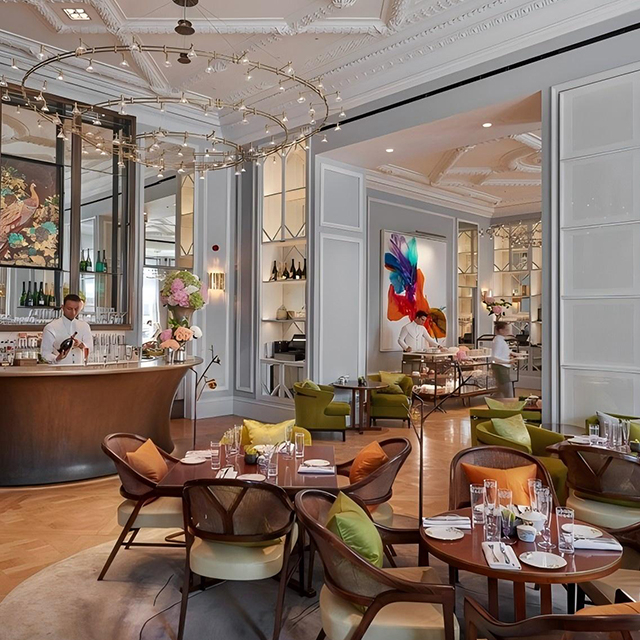
Choosing the perfect indoor dining room table and chairs involves balancing style, comfort, and durability. Materials like solid wood, laminate, and upholstered fabrics can define both aesthetics and practicality. Solid wood tables offer elegance but require sealing and occasional polishing. Laminate tops resist scratches and are easy to sanitize, making them ideal for busy dining areas. Upholstered chairs enhance comfort and can be matched to a hotel’s color palette, while high-density foam keeps them resilient for daily use.
Key tips for indoor dining areas:
● Materials: wood, laminate, veneer, or composite boards. Each affects longevity and appearance differently.
● Finishes: stain-resistant coatings, anti-fade treatments, and easy-clean surfaces.
● Maintenance: wipeable chairs, occasional conditioning, and checking joints for stability.
● Guest comfort: seat padding, proper height, and adequate spacing for movement.
Material | Advantages | Best Use |
Solid Wood | Elegant, durable | Upscale dining rooms |
Laminate | Scratch-resistant, easy clean | High-turnover areas |
Upholstered | Comfortable, aesthetic | Guest-focused areas |
Veneer | Lightweight, stylish | Flexible layouts |
Outdoor dining room tables and chairs must withstand sun, rain, and temperature changes. Materials like powder-coated aluminum, HDPE, and thermoplastic-coated steel are standard because they resist rust and cracking. Weighted or bolt-down bases add stability in windy environments, while quick-dry cushions prevent mold and moisture retention. Designers often pair durable surfaces with weatherproof fabrics to maintain a luxury appearance even outside.
Important factors:
● Weather-resistance: UV protection, water drainage, and rust-proof coatings.
● Base stability: weighted or bolt-down to prevent tipping.
● Material durability: HDPE and aluminum resist fading and physical impact.
● Comfort: cushions that drain water, breathable fabrics, ergonomic chair backs.
Table shape and size affect traffic flow, seating density, and guest experience. Round tables promote conversation, while square and rectangular tables maximize space for larger groups. Banquet halls often combine multiple shapes to create flexible arrangements. Adjustable-height tables or modular tops allow quick reconfiguration for events. Designers consider spacing carefully: leaving 24–36 inches between chairs ensures comfort and complies with accessibility standards.
Quick layout tips:
● Round tables: best for small groups or intimate dining.
● Rectangular tables: ideal for banquet or large-party seating.
● Modular options: easily join tables or separate them for flexible arrangements.
● Spacing: balance between maximizing capacity and maintaining comfort.
Selecting chairs complements table choice and impacts overall aesthetics. Stackable chairs save space for events or storage, while upholstered chairs add comfort for longer meals. Booths provide privacy and reduce noise, and banquet seating accommodates large gatherings. Matching chairs to tables and aligning with hotel branding creates a cohesive and polished appearance.
Considerations include:
● Chair type: stackable, upholstered, banquet, or booth.
● Material: wood, metal, or composite for durability and style.
● Comfort: padding, back support, and ergonomic shapes.
● Visual cohesion: colors and finishes consistent with tables and hotel design.
Keeping dining room tables and chairs looking great in hotel restaurants and banquet areas takes more than a quick wipe. Each material demands specific care routines. Wood surfaces need gentle cleaning and occasional polishing to prevent drying or cracks, while laminate and HDPE tops can be wiped down frequently without worry. Metal frames benefit from anti-corrosion sprays or powder-coated finishes, and stone or sintered surfaces may require pH-neutral cleaners to preserve their shine. Hotels often choose antimicrobial coatings or easy-clean vinyl on chairs to maintain hygiene standards. Staff should always address spills immediately to prevent stains and long-term damage.
Key practices:
● Wood: Mild soap, soft cloth, avoid excessive water, polish periodically.
● Laminate/HDPE: Quick wipe, non-abrasive cleaner, resistant to stains.
● Metal: Powder-coating maintenance, prevent rust, check joints.
● Stone: pH-neutral soap, periodic sealing, avoid acids.
Material | Cleaning Frequency | Recommended Products | Notes |
Wood | Weekly | Mild soap, polish | Prevent cracks, preserve finish |
Laminate | Daily | Non-abrasive wipes | Resists stains, easy maintenance |
HDPE | Daily | Soap and water | UV-resistant, outdoor-friendly |
Metal | Weekly | Anti-corrosion spray | Check joints, prevent rust |
Stone/Sintered | Bi-weekly | pH-neutral cleaner | Seal every 6–12 months |
Commercial-grade dining room tables and chairs are built to endure heavy traffic and repeated cleaning cycles. High-quality wood or metal frames, reinforced joints, and durable finishes can extend furniture life beyond 10 years in active hotel use. It’s crucial to consider warranty coverage as an indicator of manufacturer confidence. Many reputable suppliers, including experienced hotel furniture manufacturers, provide detailed certifications, such as BIFMA or ISO compliance, ensuring tables and chairs meet durability and safety standards. Regular inspections of screws, joints, and finishes help spot early wear, reducing unexpected replacements or downtime.
Durability checklist:
● Check for structural integrity regularly.
● Inspect upholstery or cushions for compressions or tears.
● Confirm manufacturer certifications and warranty coverage.
● Schedule routine maintenance based on material type.
Material | Expected Lifespan | Typical Warranty | Maintenance Notes |
Solid Wood | 10–15 years | 5–10 years | Refinish every 2–3 years |
Laminate | 8–12 years | 3–5 years | Avoid abrasive cleaners |
HDPE | 10+ years | 5 years | UV-resistant, minimal care |
Metal | 12–15 years | 5–10 years | Check powder coating, joints |
Stone/Sintered | 15+ years | 5–10 years | Seal periodically, inspect edges |
Safety is a top priority for high-traffic areas. Tables and chairs must be stable, ergonomic, and compliant with accessibility standards. Rounded corners and edges reduce injury risks in crowded banquet halls. Chairs with non-slip feet and secure joints prevent wobbling during service, while ADA compliance ensures proper clearance and table height for guests using wheelchairs. Hotels often balance aesthetic appeal with safety features, choosing furniture that blends style with practical safety considerations.
Safety points:
● Rounded corners: Reduce injury risk in fast-paced areas.
● Stable bases: Heavy-duty frames or weighted legs prevent tipping.
● Accessibility: At least 5% of tables meet ADA standards.
● Inspection: Regular checks for loose screws, bent frames, or worn feet.Budgeting,
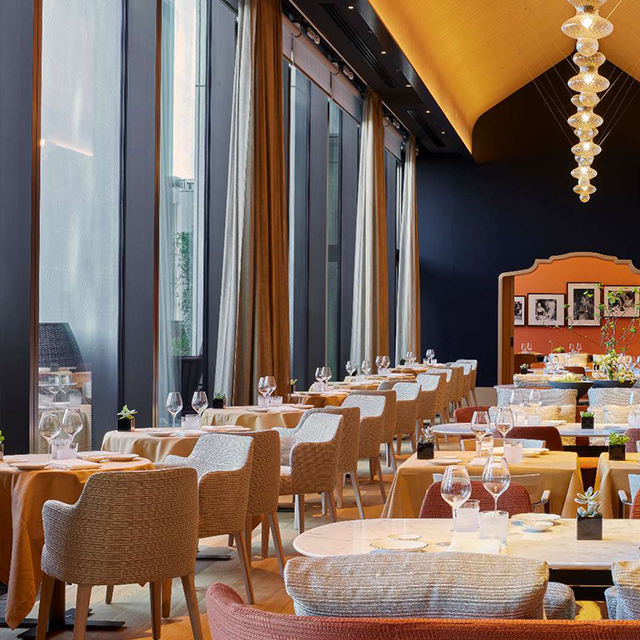
Investing in dining room tables and chairs is more than an upfront expense—it’s a long-term decision. Hotels must consider total cost of ownership (TCO), including maintenance, replacement, and durability over years of heavy use.
High-quality materials like solid wood, powder-coated metal, or sintered stone may cost more initially, but they last longer and reduce frequent replacements. Budget-friendly options, such as laminate or HDPE, still offer durability but require careful assessment to avoid hidden maintenance costs. We often recommend balancing style, functionality, and longevity when calculating your TCO.
Key considerations include:
● Initial Cost vs Lifespan: Premium materials reduce replacement frequency.
● Maintenance Expenses: Easy-clean surfaces lower labor and cleaning product costs.
● Durability: Reinforced frames and finishes impact long-term performance.
● Operational Efficiency: Stable furniture minimizes accidents or service interruptions.
Material | Upfront Cost | Lifespan | Maintenance |
Solid Wood | High | 10–15 years | Polishing, gentle cleaning |
Laminate | Medium | 8–12 years | Quick wipe, avoid abrasives |
HDPE | Low | 10+ years | Soap and water, UV-resistant |
Metal | Medium | 12–15 years | Anti-rust, inspect joints |
Stone/Sintered | High | 15+ years | Seal periodically, wipe clean |
Customization transforms generic furniture into a hotel-branded experience. You can select table finishes, chair upholstery, color schemes, and modular layouts to match your property’s identity.
Modular designs allow flexible arrangements for banquets or intimate dining, while upholstery and color choices reinforce your brand palette. Hotels often combine durability and aesthetics, choosing hardwearing fabrics that also create a premium feel. Accessories, like decorative trims or coordinated booths, add cohesion across the dining environment.
Tips for customization:
● Finishes & Colors: Align with hotel theme, lobby design, and overall ambiance.
● Upholstery: Antimicrobial, stain-resistant fabrics for longevity.
● Modular Layouts: Tables and chairs that rearrange quickly for events.
● Visual Cohesion: Matching chairs, tables, and booth styles create professional appeal.
Choosing the right supplier is critical. Hotels should prioritize experience in hospitality furniture, proven global project delivery, and turnkey services.
Top suppliers provide sampling, layout planning, 3D renderings, and on-site installation, ensuring furniture fits perfectly and aligns with branding. Real-time support during selection and installation reduces mistakes, avoids delays, and guarantees compliance with safety and accessibility standards.
Dining Room Table and Chairs from Hongye combine durability, comfort, and elegant design for hotels and banquet areas. They offer flexible layouts, premium materials, and ergonomic seating while supporting long-term use. Hongye’s customized solutions and turnkey services ensure spaces are functional, stylish, and aligned with brand identity.
A: They provide comfortable and durable seating for hotel restaurants, banquet halls, and event spaces.
A: Clean surfaces by material type, protect finishes, and check joints regularly to extend lifespan.
A: They offer ergonomic design, premium materials, flexible layouts, and turnkey service for hotel projects.
A: Wood, laminate, metal, HDPE, and stone are used for durability and aesthetic appeal.
A: Select finishes, upholstery, modular designs, and colors to match hotel branding and event needs.