Please Choose Your Language
Views: 0 Author: Site Editor Publish Time: 2025-02-11 Origin: Site
When designing or refurbishing a hotel, selecting the right furniture is crucial to enhancing guest experience and establishing a strong brand identity. The choice between luxury hotel furniture and budget hotel furniture can significantly impact a hotel's appeal, cost structure, and long-term sustainability.
So, what distinguishes luxury hotel furniture from budget hotel furniture? How can hotel owners and procurement managers determine the best fit for their needs? This article will explore the differences, benefits, and challenges of both options, helping you make an informed decision.

Luxury hotel furniture is characterized by high-end materials, exquisite craftsmanship, and personalized designs. These furnishings are meticulously designed to reflect elegance, comfort, and durability, catering to upscale hotels that prioritize superior guest experiences.
Solid wood: Oak, walnut, mahogany
Natural stone: Marble, granite
High-end upholstery: Genuine leather, velvet, premium fabrics
Metal accents: Brass, stainless steel, gold-plated elements
Modern luxury: Sleek lines, minimalist aesthetics, high-end materials
Classic European: Ornate details, intricate carvings, opulent fabrics
Boutique elegance: Unique, handcrafted designs tailored for small luxury hotels
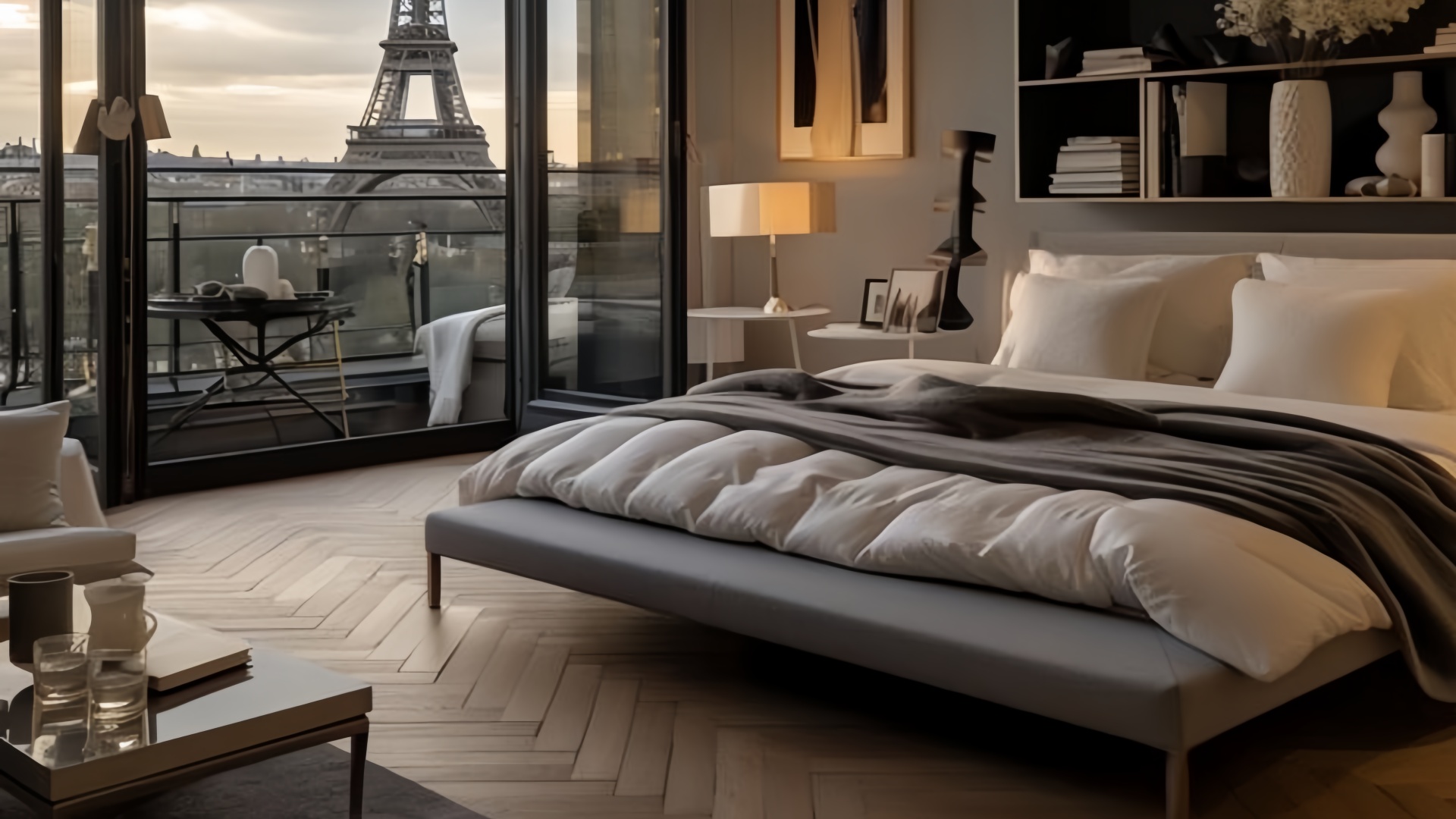
Luxury furniture is ideal for:
5-star hotels
Luxury resorts
Boutique hotels catering to high-end clientele
| Advantages | Disadvantages |
| Enhances the hotel's brand reputation and exclusivity. | High upfront costs. |
| Provides exceptional comfort and guest experience. | Longer production and customization timelines. |
| Durable and long-lasting investment. | Higher maintenance requirements due to delicate materials. |
Engineered wood: MDF, plywood, particle board
Synthetic upholstery: PU leather, polyester fabrics
Basic metal: Powder-coated steel, aluminum
Minimalist & functional: Simple, space-saving, and practical
Contemporary & neutral: Modern yet affordable aesthetics

Budget hotel furniture is suitable for:
Economy hotels
Business motels
Mid-range and chain hotels
| Advantages | Disadvantages |
| Cost-effective: Suitable for hotels with limited budgets. | Shorter lifespan, requiring more frequent replacements. |
| Quick availability: Ideal for fast-paced projects. | Limited customization. |
| Easier replacement: Less expensive to update or replace. | May not offer premium guest experience. |
| Factor | Luxury Hotel Furniture | Budget Hotel Furniture |
|---|---|---|
| Price | Expensive | Affordable |
| Materials | Solid wood, marble, leather, brass | MDF, plywood, synthetic leather, steel |
| Design | Customized, intricate, high-end | Standardized, simple, mass-produced |
| Durability | Lasts 10-15+ years | Lasts 3-7 years |
| Guest Experience | Luxurious, premium comfort | Functional, basic comfort |
| Maintenance | Requires specialized care | Low-maintenance, easy replacement |

Luxury hotels: Require high-end furniture to align with their premium branding.
Budget hotels: Need cost-effective furniture to manage expenses effectively.
Affluent travelers: Expect superior quality, comfort, and exclusivity.
Business and budget travelers: Prioritize functionality and affordability.
Luxury furniture: Best for long-term investments with extended lifespan.
Budget furniture: Ideal for cost-conscious projects with frequent updates.
Lobby, suites, fine dining areas: Require luxury furniture to create lasting impressions.
Guest rooms, staff quarters, cafeterias: Can opt for budget-friendly choices to control costs.
Mix & Match: Use luxury furniture in key areas (e.g., lobby, VIP suites) and budget furniture in standard rooms.
Consider Leasing: Rent high-end furniture for seasonal upgrades.
Plan for Upgrades: Start with budget furniture and gradually invest in luxury pieces as revenue grows.
Choosing between luxury and budget hotel furniture depends on your hotel's positioning, target audience, and budget. While luxury furniture offers superior aesthetics and durability, budget furniture provides a practical and cost-effective solution. By strategically balancing the two, hoteliers can optimize both cost-efficiency and guest experience.
Need help selecting the right furniture for your hotel? Contact a professional hotel furniture supplier today to explore customized solutions.
Yes, combining both can optimize costs while maintaining an upscale ambiance in key areas.
With proper care, luxury furniture can last 10-15 years or more.
It depends on the materials used. Look for sustainable suppliers that offer eco-friendly options.
Some suppliers offer limited customization options for budget furniture, such as different finishes and upholstery choices.