Please Choose Your Language
Views: 0 Author: Site Editor Publish Time: 2026-08-28 Origin: Site


Why do hotel beds feel so comfy, almost like sleeping on a cloud? Many guests notice the difference immediately. It’s not just the mattress but the whole sleep experience. Hotel beds are designed for comfort, durability, and broad appeal. Understanding this helps you appreciate why they feel better than home beds. In this post, you’ll learn what makes hotel beds unique and how you can recreate that comfort at home.
Table of Contents
Hotel beds differ greatly from typical home beds because they are designed for heavy use and broad comfort. Hotels need beds that last, feel great for many kinds of sleepers, and keep guests cool and supported all night.
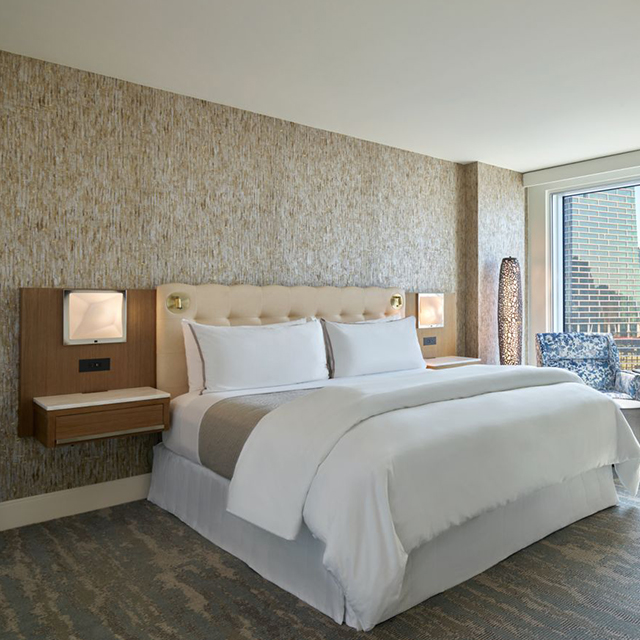
Hotel mattresses use commercial-grade materials made to endure constant use by different people. They often feature reinforced edges and stronger springs or foams. This helps prevent sagging or dips, keeping the bed feeling new and supportive for years. These mattresses are built tougher than domestic ones, which may wear out faster under everyday use.
Most hotel beds have multiple layers inside. For example, a base of pocket springs supports the body evenly, while a layer of memory foam or latex on top relieves pressure points like hips and shoulders. This design helps the body “sink in” just enough for comfort but still keeps the spine aligned. It’s why hotel beds feel plush yet supportive at the same time.
Hotels also pick mattresses made from breathable fabrics and foams that allow airflow. This reduces heat buildup and keeps guests cool. Some mattresses use open-cell foams or special covers that wick away moisture. Since overheating disrupts sleep, this breathability is key to the luxurious feel of hotel beds.
Hotels usually choose medium-firm mattresses. This firmness level is soft enough to feel cozy but firm enough to provide proper support. It appeals to most people regardless of sleeping position or body type. Instead of trying to please every personal preference, hotels find the middle ground that works well for the majority.
Tip: When selecting mattresses for hotels or hospitality businesses, prioritize commercial-grade durability and medium-firm multi-layer designs to ensure long-lasting guest comfort and satisfaction.
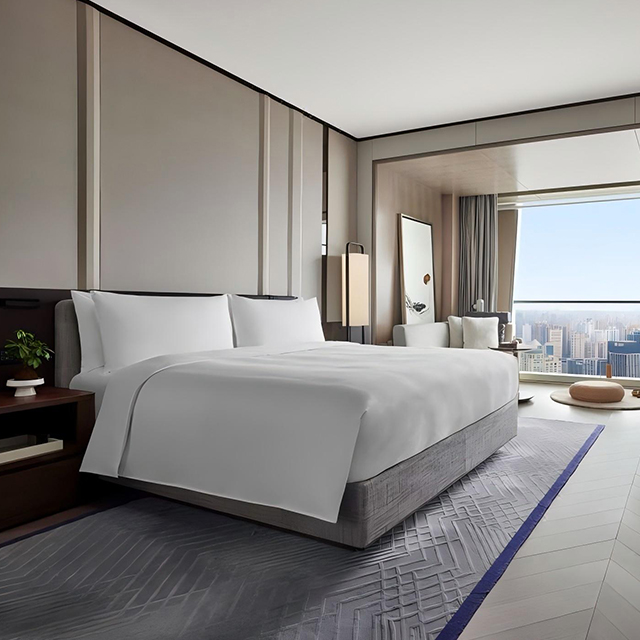
Hotels don’t pick beds randomly. They invest in high-quality mattresses because guest satisfaction depends heavily on sleep quality. A good night’s sleep makes guests feel refreshed and valued, which encourages positive reviews and repeat visits.
Comfortable beds lead to better sleep, which directly impacts how guests rate their stay. When guests sleep well, they wake up happy and relaxed. This satisfaction often translates into higher ratings and loyalty for the hotel. Poor sleep, on the other hand, can ruin the entire experience, no matter how nice the room or service.
Hotels usually use contract mattresses designed specifically for commercial use. These mattresses are made from premium materials like multi-layer pocket springs, high-density foams, and breathable fabrics. They’re built to last, withstand frequent use, and maintain comfort over time. Unlike many domestic mattresses, contract mattresses provide consistent support and comfort night after night.
Hotels must balance several factors:
Comfort: Beds must feel inviting and supportive to a wide range of guests.
Durability: Mattresses need to hold up under constant use and cleaning.
Consistency: Every room should offer a similar sleep experience, so guests know what to expect.
This balance ensures that beds don’t just feel great on day one but continue to perform well for years.
Most hotels select medium-firm mattresses. This firmness level suits most sleeping styles and body types, offering enough softness to feel cozy yet enough support to keep the spine aligned. Medium-firm mattresses reduce pressure points without feeling too hard or too soft, making them a safe, comfortable choice for diverse guests.
Tip: When choosing beds for hospitality, prioritize contract mattresses with medium-firm support and durable materials to ensure consistent guest comfort and long-lasting performance.

Hotel beds often use zip and link systems, a clever design that offers flexibility and comfort. These beds consist of two separate mattresses and bases zipped together to form one large bed, usually king or super king size. This design suits hotels perfectly because it meets different guest needs while maintaining comfort and luxury.
Zip and link beds are made from two individual mattresses that join seamlessly. This means hotels can easily separate the bed into two singles or combine them into a larger bed. It gives hotels the flexibility to accommodate solo travelers, couples, or families without changing the entire bed setup. This modular design saves space and simplifies room arrangements.
When zipped together, the mattresses fit flush, creating a smooth, continuous surface. Guests don’t feel the gap between the two mattresses, so it feels like one big, comfortable bed. This seamless surface supports the body evenly, preventing pressure points and ensuring a restful night.
Because each mattress is separate, movement on one side doesn’t disturb the other. If one person tosses and turns, the other side stays stable and quiet. This reduced motion transfer helps guests sleep more soundly, especially important for light sleepers or couples with different sleep habits.
Some hotels offer zip and link beds with different mattress types or firmness levels on each side. For example, one side may be medium-firm, while the other is softer or firmer. This customization ensures that both guests get the support and comfort they prefer without compromising the overall bed quality.
By combining two mattresses, zip and link beds provide more sleeping space than a standard double bed. This extra room adds a sense of luxury and freedom, allowing guests to stretch out comfortably. The spacious feel enhances the overall sleep experience, making hotel stays even more inviting.
Tip: For hospitality businesses, investing in zip and link beds offers versatile room configurations and improved guest comfort, helping maximize occupancy and satisfaction.
Hotels keep their beds feeling fresh, supportive, and inviting through careful maintenance routines. These practices help preserve mattress quality and extend its lifespan, ensuring every guest enjoys the same great sleep experience.
One key maintenance step is rotating and flipping mattresses regularly. Over time, pressure from body weight causes certain areas, like hips and shoulders, to wear down faster. Rotating the mattress 180 degrees and flipping it over redistributes this pressure. This prevents dips and sagging, maintaining an even surface that supports the body properly.
Hotels often follow strict schedules for this, such as rotating mattresses every 3 to 6 months. This routine helps mattresses last longer and keeps them feeling like new. It also ensures guests don’t encounter uncomfortable soft spots or uneven firmness.
Uneven wear leads to sagging, which can cause poor spinal alignment and discomfort. Hotels avoid this by combining rotation with quality mattress construction. Reinforced edges and durable materials work alongside maintenance to resist sagging.
Regular inspection also plays a role. Staff check mattresses for signs of wear and replace them before comfort declines noticeably. This proactive approach ensures beds stay supportive and inviting.
Hygiene is critical in hotels. Mattresses get cleaned regularly, and mattress protectors are changed or washed to keep beds fresh. This prevents dust mites, allergens, and odors from building up, which can affect comfort and health.
Hotels often use mattress protectors made from breathable, hypoallergenic materials. These protect the mattress while allowing airflow, keeping beds clean and cool.
Proper maintenance not only preserves mattress quality but also enhances guest satisfaction. A well-maintained bed feels consistently comfortable, encouraging positive reviews and repeat stays.
For hotels, maintenance reduces replacement costs by extending mattress life. It also helps maintain uniform comfort across rooms, so guests know what to expect.
Tip: Establish a mattress care schedule including rotation, flipping, and regular inspections to maintain comfort and extend mattress life in hospitality environments.
Mattress toppers and protectors play a crucial role in the luxurious feel of hotel beds. They aren't just extras; they transform an already good mattress into a plush, inviting sleep surface that guests love.
Hotels often use several types of mattress toppers, each offering unique benefits:
Memory Foam Toppers: These contour to the body, easing pressure points and providing a "floating" sensation. They balance softness and support well, making them popular in many hotels.
Latex Toppers: Known for responsiveness, latex offers firm yet comfortable support. It doesn't sink too much, ideal for guests who prefer a bouncy, supportive feel.
Fibre Fill Toppers: These are soft, airy layers filled with materials like wool or synthetic fibres. They add a plush, pillow-top softness that enhances the bed’s initial "sink-in" comfort.
Toppers cushion the body by softening the mattress surface, reducing pressure on hips, shoulders, and joints. This cushioning helps guests relax faster and sleep more soundly. At the same time, they maintain spinal alignment by working with the mattress underneath, ensuring the bed feels both soft and supportive.
Many toppers are designed to improve airflow and moisture-wicking. For example, latex and some fibre fill toppers naturally breathe well, while memory foam toppers may include open-cell structures or cooling gel layers. This helps prevent overheating, a common sleep disruptor, keeping guests cool and comfortable all night.
Mattress protectors are essential for hygiene and comfort. Hotels use protectors made from breathable, hypoallergenic materials that shield mattresses from spills, dust mites, and allergens. Unlike cheap plastic covers, these protectors are silent and soft, so guests don’t hear crinkling noises when they move.
Protectors keep beds fresh and clean, which enhances the overall sleep experience. They allow airflow, preventing moisture buildup that can lead to odors or discomfort. Their silent nature ensures guests aren't disturbed by rustling sounds, maintaining the tranquil hotel atmosphere.
Tip: Choose breathable, hypoallergenic mattress toppers and silent mattress protectors to enhance comfort, hygiene, and temperature regulation in hospitality settings.
Hotel beds feel incredible not just because of the mattress itself, but because of the entire sleep system working together. Every layer and element plays a role in creating that luxurious, restful experience guests notice immediately.
Pillows do more than just cushion your head. They keep your neck and spine aligned properly through the night. Hotels often provide multiple pillows with different firmness and loft options, so guests can pick what suits them best. This helps avoid neck strain or stiffness in the morning. Proper spinal alignment reduces pressure on muscles and joints, leading to deeper, more comfortable sleep.
Hotels choose bedding made from breathable materials like cotton or linen. These fabrics allow air to circulate, helping regulate body temperature and wick away moisture. Breathable sheets keep sleepers cool and dry, preventing overheating—a common cause of restless nights. The crisp, fresh feel of high-quality natural fibres adds to the overall comfort and luxury guests enjoy.
The room environment matters just as much as the bed itself. Hotels keep rooms cooler than many homes, often between 60°F and 67°F (15.6°C to 19.4°C). Cooler temperatures help the body lower its core temperature, which promotes falling asleep faster and sleeping more deeply. Quiet surroundings and blackout curtains also reduce disturbances, supporting uninterrupted rest.
Hotels use a careful layering approach to build comfort:
Mattress: Provides core support and durability.
Mattress topper: Adds cushioning and pressure relief.
Mattress protector: Guards hygiene without noise or discomfort.
Sheets: Soft, breathable fabrics that feel smooth on skin.
Pillows: Multiple options for personalized neck support.
Duvet: Lightweight yet warm, often made from breathable materials.
Each layer enhances comfort while working in harmony. This layered system creates the signature "hotel bed" feel—plush, supportive, and cool.
Tip: For hospitality businesses, invest in a complete sleep system that includes supportive pillows, breathable bedding, and a controlled room environment to maximize guest comfort and satisfaction.
If you want to enjoy the same cozy feeling as a hotel bed, it’s all about layering and choosing the right materials. You don’t need to replace everything, but investing in key elements helps a lot.
Start with a mattress that supports your body well. A medium-firm mattress usually works best for most people because it balances softness and support. If your mattress is old or too firm, a mattress topper can make a huge difference. Memory foam toppers offer pressure relief by contouring to your body, while latex toppers provide a responsive, bouncy feel. Pillow-top toppers add plush softness. Adding a topper is often more affordable than buying a new mattress but still upgrades your comfort dramatically.
Sheets and bedding made from natural fibres like organic cotton or linen help regulate temperature. These materials allow air to circulate and wick away moisture, keeping you cool and comfortable. Organic cotton feels crisp and fresh, while linen offers a relaxed softness that improves with every wash. Both fabrics are great for preventing overheating, a common reason people wake up at night.
Good pillows keep your neck aligned during sleep, reducing stiffness. Hotels often offer multiple pillow options with different firmness levels. At home, try pillows that support your preferred sleep position—firmer for back sleepers, softer for side sleepers. Consider pillows made from memory foam or down alternative for a balance of support and softness.
Hotels keep rooms cool, usually between 60°F and 67°F (15.6°C to 19.4°C), to help guests fall asleep faster and stay asleep longer. You can recreate this by lowering your bedroom temperature before bed. Use blackout curtains to block light and reduce noise with earplugs or white noise machines. A calm environment enhances the comfort your bed provides.
Taking care of your bedding helps keep it feeling fresh and cozy. Wash sheets at recommended temperatures to protect fibres. Avoid fabric softeners, which can reduce breathability. Air out duvets and pillows regularly to maintain loft and freshness. Rotate pillows to prevent uneven wear. These small steps extend your bedding’s life and comfort.
Tip: Prioritize a supportive mattress paired with a pressure-relieving topper, breathable natural bedding, and a cool, quiet room to recreate hotel bed comfort at home effectively.
Hotel beds are comfortable due to durable, medium-firm mattresses with multi-layer designs that support various sleepers. Thoughtful layering with toppers, protectors, and breathable bedding enhances softness and temperature regulation. Regular maintenance keeps beds fresh and supportive, ensuring consistent comfort. By applying these hotel bed principles at home, anyone can enjoy better sleep quality. Hongye Furniture Group offers high-quality hospitality beds designed to deliver lasting comfort and satisfaction for both hotels and homes.
A: Hotel beds use commercial-grade materials, multi-layer mattress designs, and medium-firm firmness to provide durable, supportive, and comfortable sleep for diverse guests.
A: Hotels regularly rotate and flip mattresses, use reinforced materials, and inspect beds to prevent sagging and ensure consistent comfort.
A: Medium-firm mattresses balance softness and support, appealing to most sleepers and promoting proper spinal alignment.
A: Toppers add cushioning and pressure relief, while breathable, hypoallergenic protectors maintain hygiene and silent comfort.
A: Yes, by investing in a quality mattress, pressure-relieving topper, breathable bedding, supportive pillows, and maintaining a cool, quiet sleep environment.