Please Choose Your Language
Views: 0 Author: Site Editor Publish Time: 2026-08-28 Origin: Site
Ever wondered what makes a space truly flexible and stylish? Loose furniture offers freedom to move and customize your interiors easily. It’s essential in modern design for comfort and adaptability. In this post, you’ll learn what loose furniture is, why it matters, and how it differs from fixed furniture.
Table of Contents
Loose furniture includes a wide range of movable pieces that bring comfort and style to any space. Common items are:
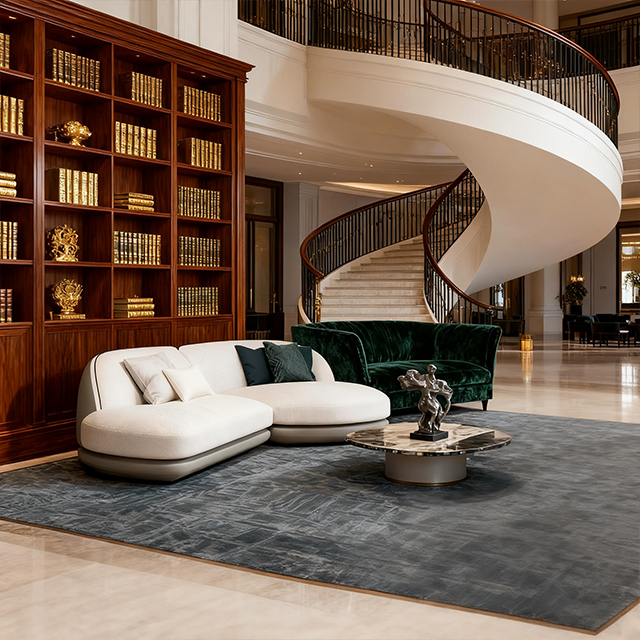
Sofas and couches: Central seating options for living rooms, lounges, and hotel lobbies.
Armchairs and lounge chairs: Perfect for creating cozy corners or adding extra seating.
Dining tables and chairs: Essential for dining areas, offering versatility in size and style.
Coffee tables and side tables: Provide functional surfaces while complementing seating arrangements.
Beds and nightstands: Key bedroom furnishings, often customized to match room decor.
Desks and office chairs: Important for workspaces, combining ergonomics and design.
Ottomans and benches: Serve as footrests or additional seating, often doubling as storage.
These items are designed to be freestanding, allowing them to be moved or rearranged easily to suit changing needs or preferences.
Customization plays a significant role in loose furniture. It lets you tailor pieces to fit your space perfectly and reflect your style. Common customization features include:
Dimensions: Adjust sizes to fit room layouts or specific spatial requirements.
Upholstery: Choose fabrics, colors, and textures to match interior themes.
Frames and finishes: Select materials like wood, metal, or composite, and finishes such as matte, glossy, or distressed.
Functional features: Add elements like reclining mechanisms, storage compartments, or modular components.
Design styles: From modern minimalism to classic elegance, customization ensures the furniture aligns with your aesthetic.
This flexibility means you can create unique, personalized environments that stand out and meet functional demands.
Loose furniture comes in a variety of materials and styles, each bringing different qualities:
Materials:
Wood: Offers warmth and durability; popular for frames and tables.
Metal: Provides strength and a sleek look; often used in legs or accents.
Upholstery fabrics: Include cotton, linen, velvet, leather, and synthetic blends for comfort and style.
Glass and stone: Used in tabletops for a modern, elegant touch.
Plastic and composites: Lightweight and versatile, ideal for contemporary designs.
Styles:
Traditional: Features ornate details, rich colors, and classic shapes.
Modern: Focuses on clean lines, neutral colors, and minimal ornamentation.
Industrial: Combines raw materials like metal and wood with rugged finishes.
Scandinavian: Emphasizes simplicity, functionality, and light tones.
Eclectic: Mixes various influences for a personalized, vibrant look.
Choosing the right materials and style helps ensure loose furniture complements the overall design and enhances the space’s functionality.
Tip: When selecting loose furniture, prioritize pieces that balance aesthetic appeal and adaptability to easily refresh your space over time.
Loose furniture shines in its flexibility. Since these pieces aren’t fixed, you can move or rearrange them anytime. This mobility lets you adapt your space quickly for different occasions or needs. For example, in a hotel lobby, chairs and sofas can be shifted to create intimate seating areas or open spaces for events. This flexibility also helps when cleaning or renovating, as furniture can be easily relocated without hassle. Plus, if you want to refresh your decor, loose furniture lets you experiment without major changes.
Loose furniture offers unmatched design versatility. You can pick styles, colors, and materials that fit your taste and space perfectly. Whether you prefer modern minimalism, classic elegance, or eclectic mixes, loose furniture can match your vision. It also adapts well to evolving trends—just swap out a chair or table to update the look. This adaptability makes loose furniture ideal for spaces that need to stay fresh and inviting, like hotels or offices. It helps create unique environments that reflect personality and brand identity.
Maintaining loose furniture is straightforward. Since pieces are movable, you can easily replace worn or damaged items without disrupting the entire space. This reduces downtime and repair costs. Cleaning also becomes simpler because you can access all sides of the furniture. For hotels and commercial spaces, this ease of upkeep is a big advantage, helping maintain a polished and welcoming atmosphere. Additionally, modular loose furniture often comes with replaceable covers or parts, extending its lifespan and allowing for quick updates.
Tip: Prioritize loose furniture pieces that combine lightweight design and durable materials to maximize mobility and simplify maintenance in busy environments.
Loose furniture plays a vital role in hospitality environments, offering flexibility and comfort that fixed furniture cannot. It allows hotels to create inviting, adaptable spaces for guests to relax, dine, or socialize. Unlike fixed furniture, loose pieces can be rearranged to suit different occasions, such as events or seasonal changes, enhancing the guest experience. They also help hotels maintain a fresh look over time by enabling easy updates or replacements without major renovations.
In lobbies, lounges, and restaurants, loose furniture defines seating arrangements and ambiance. It supports various functions, from casual seating to formal dining, making spaces more versatile. Additionally, loose furniture contributes to the brand identity of a hotel by reflecting style and quality, important factors in guest satisfaction and loyalty.
Hotels typically use a wide range of loose furniture tailored to different areas and functions. Common items include:
Beds and bed bases: Essential for guest rooms, often customized for comfort and style.
Nightstands and bedside benches: Provide convenience and complement the bedroom design.
Sofas and lounge chairs: Used in lobbies, suites, and public areas for comfort and aesthetic appeal.
Writing desks and tables: Found in guest rooms and business centers, supporting work and leisure.
Dining chairs and tables: Used in restaurants, cafes, and banquet halls, available in various styles.
Coffee tables and side tables: Add functionality and style to seating areas.
Restaurant chairs and tables: Durable and stylish furniture designed for high-traffic dining spaces.
Living room sets: Sofas, chairs, and tables arranged for socializing in suites or club lounges.
These pieces are usually freestanding and delivered as finished products, allowing hotels to install them late in the project timeline, closer to opening.
Loose furniture installation typically occurs after major construction and fixed furniture installation. This sequencing helps avoid damage during construction and ensures proper coordination with other interior elements. Installing loose furniture near the project completion stage allows for final adjustments based on actual site conditions and guest room layouts.
Project teams must plan delivery and installation carefully to align with the overall schedule. Delays in loose furniture arrival can impact opening dates, so reliable manufacturers and logistics partners are crucial. Coordination between designers, contractors, and suppliers ensures that loose furniture fits seamlessly into the hotel’s interior design and functional requirements.
Tip: Schedule loose furniture installation after fixed furniture and major construction to minimize damage risk and allow last-minute design adjustments.
Loose furniture consists of movable pieces that aren’t attached to walls or floors. Examples include sofas, chairs, tables, and beds. They stand freely, allowing easy rearrangement or replacement.
Fixed furniture, on the other hand, is built-in or anchored to the building’s structure. These include wall-mounted cabinets, built-in wardrobes, headboards, and vanities. They are custom-made to fit specific spaces and remain permanently installed.
The main structural difference lies in mobility: loose furniture can be relocated effortlessly, while fixed furniture is integrated into the architecture and not meant to move.
Fixed furniture demands precise customization based on architectural drawings and exact site measurements. Small discrepancies in wall thickness or floor levels can impact installation. Designers must coordinate closely with construction teams to ensure perfect fit and finish.
Loose furniture offers more flexibility in design. It may be customized or selected from standard models. Since it’s freestanding, it does not require exact fitting to walls or floors. This allows easier adaptation to different spaces or style changes over time.
Customization for fixed furniture often involves detailed joinery and finishes tailored to the project. Loose furniture customization focuses more on upholstery, dimensions, materials, and functional features like modularity.
Fixed furniture is installed during the interior fit-out or construction phase. Installation can be complex, requiring skilled labor and coordination with other trades. Once installed, modifications are difficult and costly, often involving demolition or rework.
Loose furniture is delivered and installed near project completion, usually after major construction finishes. It arrives as finished products, requiring minimal assembly. Modifications or replacements are simpler and less disruptive, making it easier to refresh interiors or repair damaged items.
Fixed furniture generally involves higher costs due to custom manufacturing, installation complexity, and integration with building elements. It often requires more time and skilled labor, increasing overall project expenses.
Loose furniture costs vary widely depending on materials and design but are usually less expensive than fixed furniture equivalents. Since it can be replaced or upgraded easily, it offers better long-term budget control by avoiding costly renovations.
Understanding these cost dynamics helps project teams allocate budgets appropriately and avoid surprises.
Tip: Clearly distinguish fixed and loose furniture early in project planning to streamline design, control budgets, and reduce coordination issues during installation.
Choosing a reliable loose furniture manufacturer starts with assessing their experience. Look for companies with a solid history in producing furniture for your sector, especially those with expertise in hotel projects if relevant. A manufacturer with over 10 years of industry experience often understands material standards, production challenges, and international export requirements. Checking their portfolio for completed projects, particularly those similar in scale and style to yours, helps verify their capability. Also, consider client testimonials and case studies to gauge satisfaction and reliability.
Next, evaluate the manufacturer’s production facilities and quality control processes. High-quality loose furniture demands precise manufacturing equipment and strict inspection routines. Leading factories invest in automated production lines and precision tools that ensure consistent product dimensions and finishes. Quality control should cover every stage—from raw materials to final assembly. Confirm that the manufacturer performs thorough inspections on structure, upholstery, hardware, and finishing details before packaging. This reduces the risk of receiving defective or inconsistent products.
Timely delivery is critical, especially for projects with tight schedules. Manufacturers with regional or local production bases can offer faster turnaround times and reduce shipping risks. Local execution capability also means better responsiveness to urgent requests or last-minute adjustments. This is particularly valuable in hotel projects, where delays can impact opening dates. When choosing a manufacturer, inquire about their logistics network and ability to coordinate deliveries aligned with your project timeline.
Finally, effective communication and dedicated project support make a big difference. The right manufacturer assigns a project manager who acts as your single point of contact. They coordinate design approvals, production updates, and logistics, ensuring smooth progress. Clear, timely communication helps avoid misunderstandings and rework. Look for manufacturers who offer personalized service tailored to your project needs, including after-sales support. This collaborative approach improves efficiency and helps resolve issues quickly.
Tip: Prioritize manufacturers that combine proven hotel project experience, advanced production capabilities, and strong local delivery networks to ensure smooth execution and high-quality loose furniture supply.
Sustainability is reshaping furniture design. More manufacturers now use eco-friendly materials to reduce environmental impact. These include:
Reclaimed wood: Gives character and reduces deforestation.
Bamboo: Fast-growing, durable, and renewable.
Recycled metals and plastics: Divert waste from landfills.
Natural fibers: Such as organic cotton, hemp, or wool for upholstery.
Choosing sustainable materials not only helps the planet but also appeals to eco-conscious consumers. Hotels and businesses increasingly prefer furniture that aligns with green practices, boosting their brand image and guest satisfaction.
Technology is driving innovation in loose furniture. New methods improve comfort, durability, and customization:
3D modeling and printing: Allow rapid prototyping and bespoke components.
Smart furniture: Integrates charging ports, lighting, or sensors for convenience.
Advanced upholstery fabrics: Offer stain resistance, antimicrobial properties, and enhanced durability.
Modular designs: Enable easy reconfiguration and expansion.
These advances help designers and manufacturers create furniture that meets evolving user needs, enhances functionality, and stands out in competitive markets.
Customization remains a key trend. Clients want furniture tailored to their unique spaces and styles. Bespoke options include:
Personalized dimensions: Perfect fit for irregular rooms or specific layouts.
Unique finishes and colors: Match branding or interior themes.
Special features: Like built-in storage, adjustable components, or multi-functionality.
Collaborative design processes: Engage clients early using digital tools for visualization.
This bespoke approach elevates loose furniture beyond standard products, creating distinctive interiors that reflect personality and purpose.
Tip: Prioritize loose furniture manufacturers who invest in sustainable materials and cutting-edge technology to future-proof your projects and meet growing market demands.
Loose furniture offers unmatched flexibility, style adaptability, and ease of maintenance, making it ideal for dynamic spaces like hotels. Strategic sourcing ensures quality, timely delivery, and customization to meet project needs. Integrating loose furniture enhances comfort and design, allowing spaces to evolve effortlessly. Hongye Furniture Group provides high-quality loose furniture solutions that combine durability, aesthetic appeal, and efficient service, delivering exceptional value to hospitality and commercial projects. Their expertise supports seamless project execution and lasting satisfaction.
A: Loose furniture refers to movable, freestanding pieces like sofas, chairs, tables, and beds that can be easily rearranged or replaced to suit changing needs.
A: Loose furniture offers flexibility, easy maintenance, and design versatility, allowing quick updates and rearrangements without major renovations.
A: Costs vary based on materials and customization but are generally more affordable than fixed furniture and offer better long-term budget control.
A: Maintenance is simple since loose furniture can be moved for cleaning and repairs, with many pieces featuring replaceable covers or parts.
A: Common hotel loose furniture includes sofas, lounge chairs, beds, nightstands, dining tables, and office desks designed for comfort and style.